May 27, 2026
Keeping your home cool during warmer months is essential for maintaining comfort, protecting indoor air quality, and reducing unnecessary energy costs. Many homeowners assume that lowering the thermostat is the only solution for staying comfortable, but true cooling efficiency comes from a combination of smart maintenance, proper insulation, strategic ventilation, and energy-conscious habits. By taking a proactive approach, homeowners can improve indoor comfort while lowering strain on their HVAC systems.
An efficient cooling system also contributes to long-term financial savings. Air conditioners that work harder than necessary consume more electricity and experience greater wear over time. According to the Department of Energy, air conditioners use about 12% of the electricity in U.S. households. This highlights the importance of improving efficiency whenever possible. Homeowners who invest in regular maintenance and energy-saving strategies often enjoy lower utility bills and fewer unexpected breakdowns.
Creating a cooler indoor environment does not always require expensive renovations. Small adjustments such as replacing filters, improving airflow, and sealing air leaks can make a noticeable difference. Larger upgrades like insulation improvements or smart thermostat installations can further increase efficiency and comfort throughout the home.
Understanding and Optimizing Your Air Conditioning System
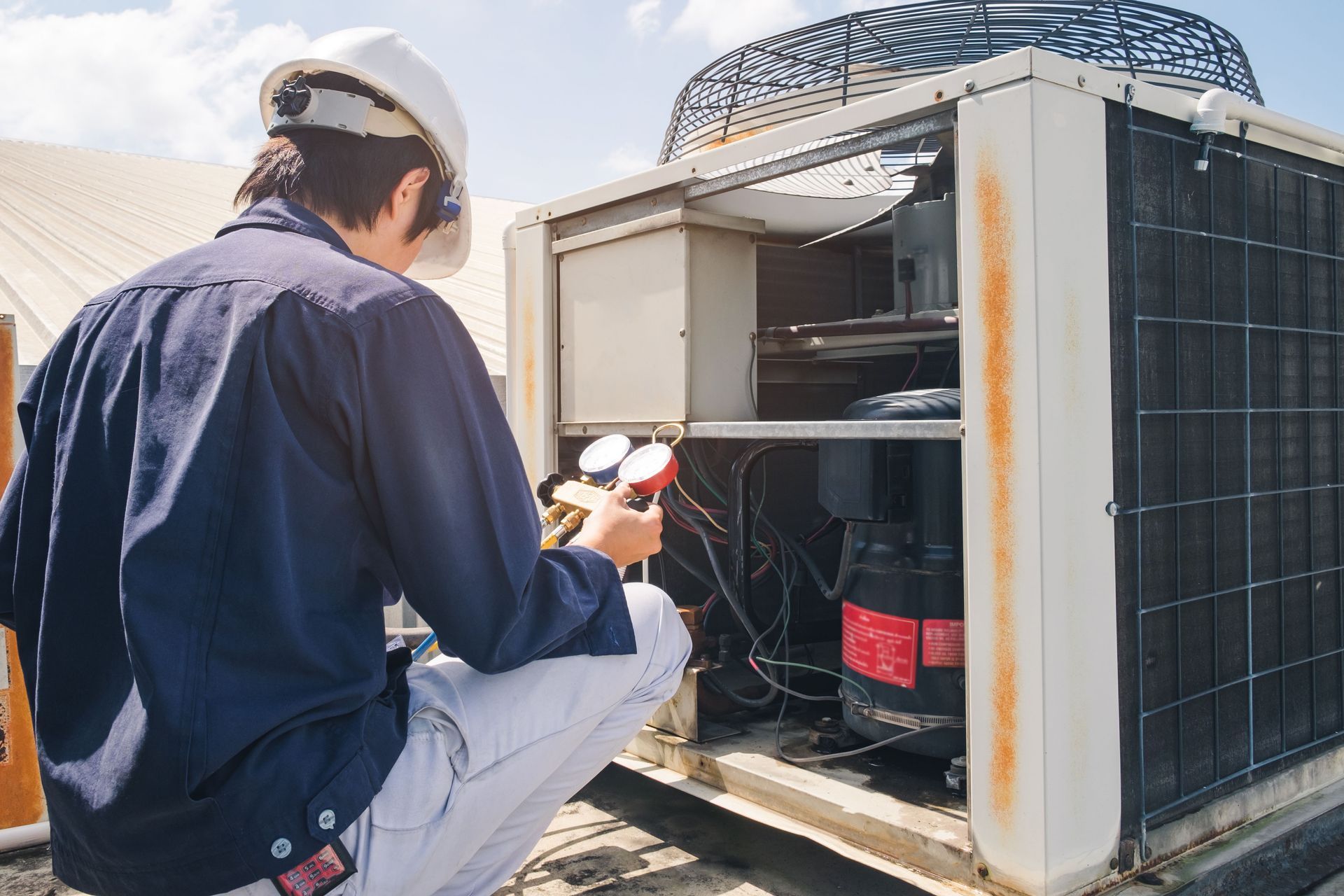
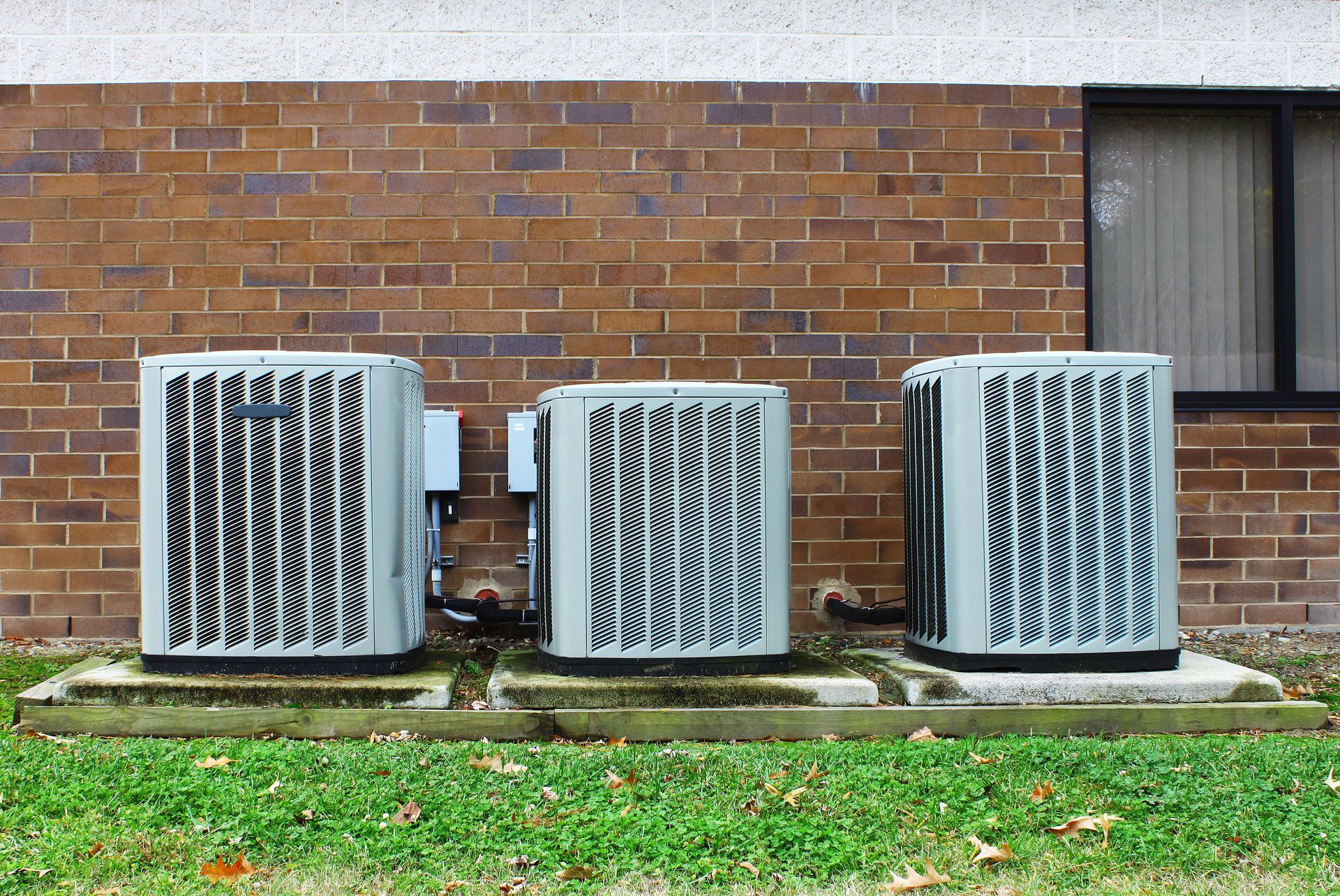
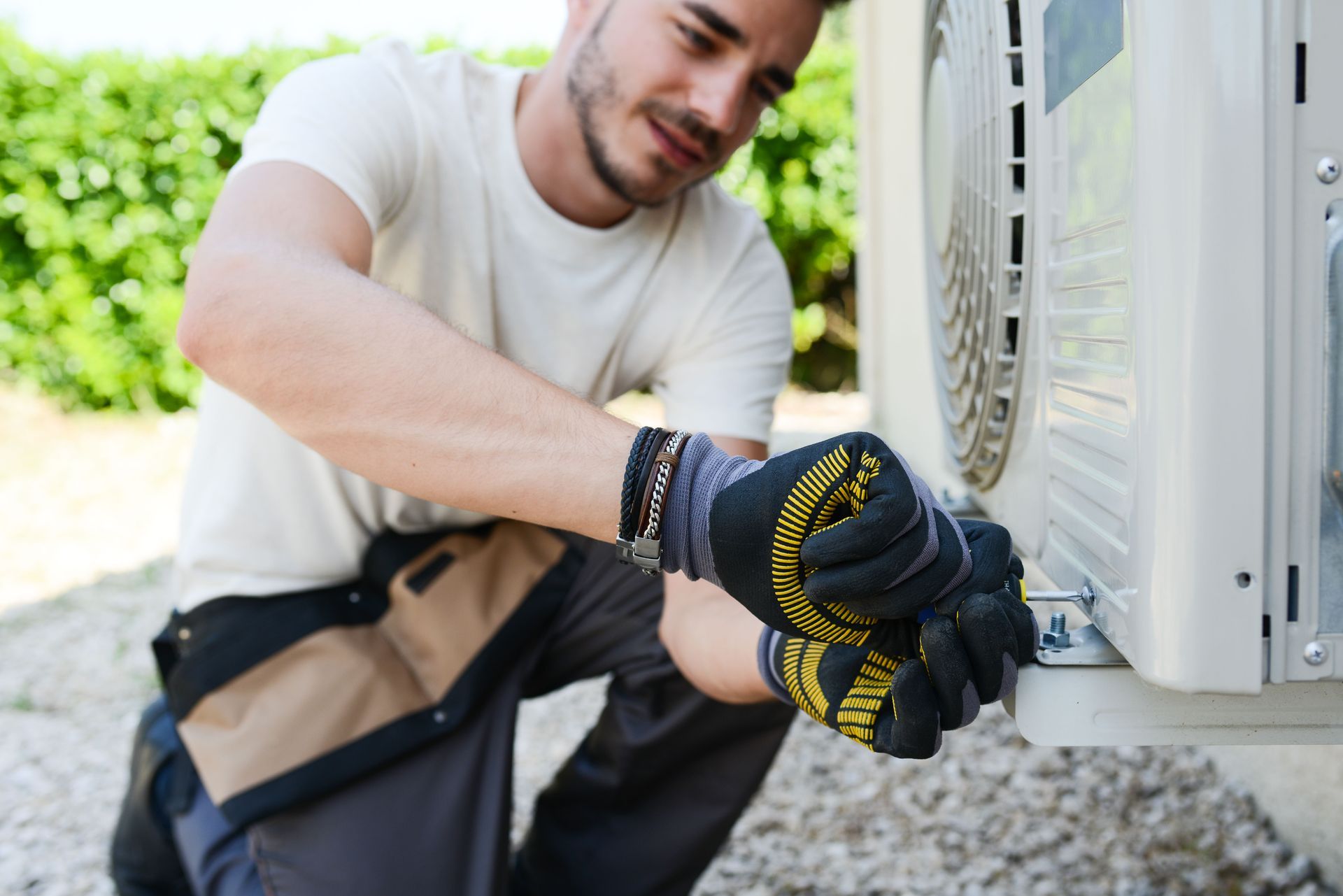
The first step toward efficient cooling is evaluating the condition and performance of your current HVAC system. Older systems often struggle to maintain consistent temperatures and may consume far more energy than newer models. If your unit is making unusual noises, producing weak airflow, or cooling unevenly, these are often signs that professional attention is needed. Scheduling routine AC repair services helps homeowners identify problems early before they turn into larger and more expensive failures.
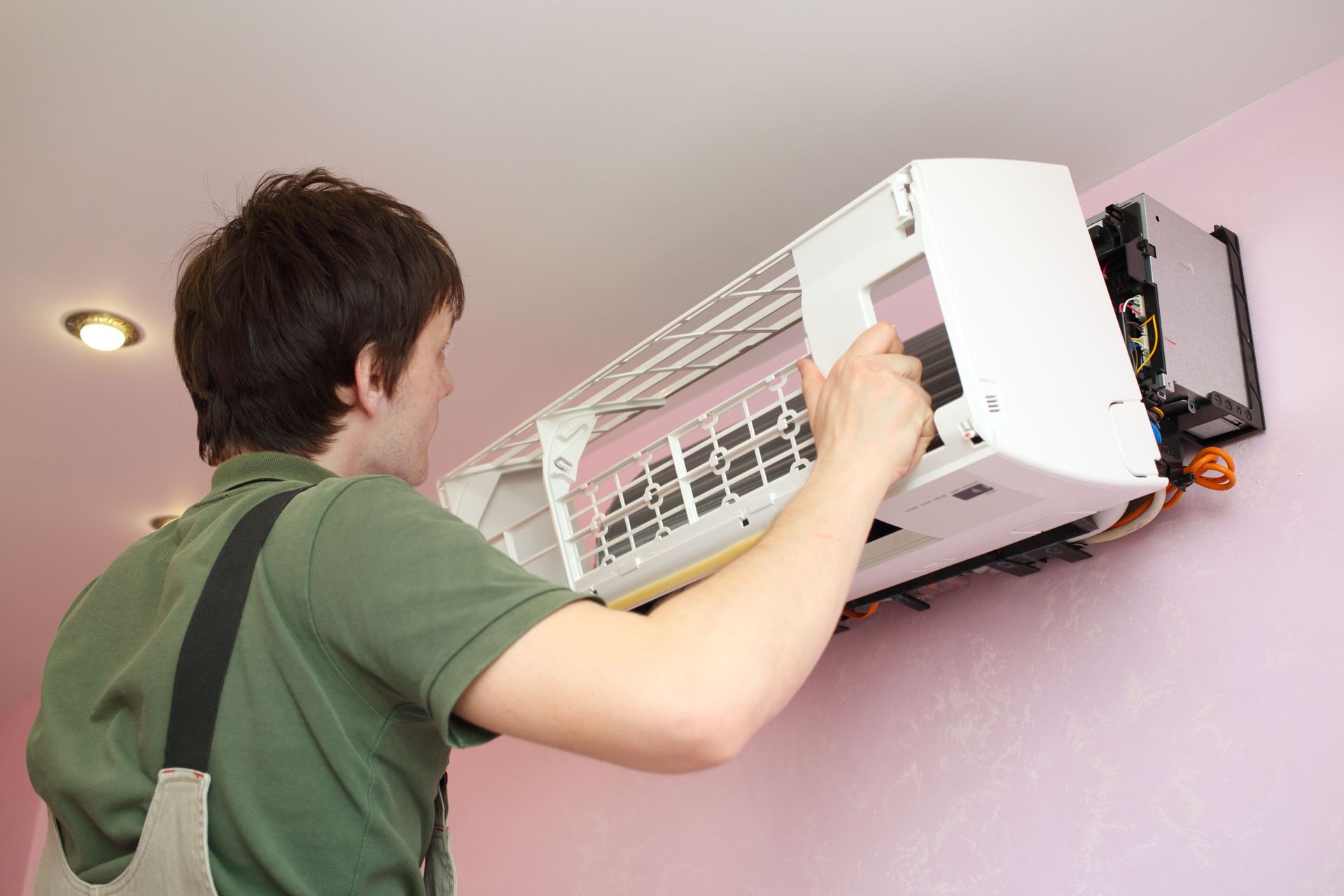
Routine maintenance is one of the most effective ways to improve cooling efficiency. Dust buildup, clogged coils, worn belts, and refrigerant leaks can all reduce performance significantly. Professional inspections allow technicians to clean components, test airflow, and restore proper operation before serious issues develop. Preventative maintenance also helps extend the lifespan of HVAC equipment while reducing monthly energy consumption.
Replacing air filters regularly is another important part of system optimization. Dirty filters restrict airflow and force air conditioners to work harder than necessary. This added strain increases energy use and accelerates wear on internal components. Homeowners should check filters regularly, especially during peak summer months when systems operate more frequently.
Installing Smart Technology for Better Cooling Efficiency
Technology has transformed how homeowners manage indoor comfort. Smart thermostats provide one of the easiest ways to improve cooling efficiency without sacrificing convenience. These systems learn household schedules and automatically adjust temperatures throughout the day to reduce unnecessary energy use. Many models also allow homeowners to control settings remotely through mobile applications.
Smart temperature management can significantly reduce operational strain on HVAC systems. Instead of running continuously throughout the day, systems operate only when cooling is necessary. This reduces wear on mechanical components and helps homeowners maintain more predictable utility costs. Professional AC repair technicians often recommend smart thermostat upgrades because they support better overall HVAC performance.
Smart home integration can further enhance cooling efficiency. Automated blinds, connected ceiling fans, and occupancy sensors work together to maintain comfortable temperatures while reducing wasted energy. Combining multiple smart technologies creates a more responsive and efficient cooling system throughout the entire home.
Improving Insulation and Sealing Air Leaks
Even the most advanced air conditioning system will struggle if cool air escapes from the home. Poor insulation and hidden air leaks force HVAC systems to work harder to maintain comfortable temperatures, prompting AC repairs. One of the most effective ways to improve efficiency is to identify areas where cooled air may be escaping. Common trouble spots include windows, doors, attics, and ductwork connections.
Sealing leaks with weather stripping or caulking helps prevent warm outdoor air from entering the home. These simple improvements can make indoor temperatures more consistent while reducing strain on the HVAC system. Homeowners often notice immediate comfort improvements after sealing gaps around windows and doors.
Properly insulated ductwork is equally important for effective cooling. Ducts located in attics, crawl spaces, or garages can lose cooled air before it reaches living spaces. Professional inspections and AC repair services often include checking duct systems for leaks or insulation issues. Maintaining efficient ductwork helps improve airflow while reducing wasted energy throughout the home.
Maximizing Natural Ventilation
Natural airflow can significantly reduce reliance on mechanical cooling systems when used strategically. Cross-ventilation is one of the most effective methods for improving indoor comfort naturally. Opening windows on opposite sides of the home allows cooler outdoor air to circulate while pushing warm air outside. This technique works especially well during evenings and early mornings when outdoor temperatures drop.
Window placement also affects how effectively homes capture natural airflow. Homes designed to maximize breeze patterns often remain cooler without relying heavily on air conditioning systems. Skylights, transom windows, and strategically placed openings can improve circulation and reduce indoor heat buildup.
Roof ventilation is another important factor in managing indoor temperatures. Heat trapped inside attics can spread into living spaces and force cooling systems to work harder. Ridge vents, soffit vents, and attic fans help remove excess heat and improve overall home efficiency. Combining natural ventilation with professional AC repair and maintenance helps create a more balanced and effective cooling strategy.
Using Fans to Support Cooling Performance
Fans are one of the simplest and most cost-effective ways to improve cooling efficiency. While fans do not lower room temperatures directly, they improve comfort by circulating air and creating a cooling sensation. Ceiling fans are especially effective when set to rotate counterclockwise during warmer months because they push cool air downward into living spaces.
Whole-house fans can provide even greater benefits in climates where evenings become cooler. These systems pull fresh outdoor air through open windows while forcing warm indoor air into the attic and outside the home. This rapid air exchange can cool an entire house naturally and reduce dependence on traditional air conditioning systems.
Combining fan use with regular AC repair and maintenance services helps HVAC systems operate more efficiently overall. Fans reduce the cooling burden on air conditioners, allowing systems to maintain comfortable temperatures with less energy consumption. This partnership between mechanical cooling and airflow support contributes to lower utility costs and improved equipment performance.
Strategic Landscaping for Natural Cooling
Landscaping can influence indoor temperatures more than many homeowners realize. Trees, shrubs, and other vegetation help reduce heat absorption around the home by providing natural shade. Planting deciduous trees near windows and exterior walls blocks direct sunlight during summer while still allowing sunlight through during winter months.
Strategic landscaping also reduces the amount of heat surrounding the home itself. Grass, shrubs, and shaded areas remain cooler than concrete or asphalt surfaces exposed to direct sunlight. Lower surrounding temperatures reduce the overall thermal load placed on air conditioning systems during hot weather.
Heat-generating appliances should also be used strategically. Ovens, dryers, and incandescent lighting all contribute additional warmth indoors. Running these appliances during cooler hours can help maintain more comfortable temperatures throughout the day. Switching to LED lighting further reduces unnecessary heat generation while lowering electricity consumption. If your cooling system is struggling to keep your home comfortable, do not wait for minor problems to become expensive emergencies. Contact Northland AC today for professional inspections, reliable AC repair services, and expert solutions that help your home stay cool, efficient, and comfortable all season long.