April 11, 2026
Local AC contractors are the unsung heroes maintaining comfort in our homes through their deep understanding of HVAC systems. Their role extends beyond installation; they ensure systems run efficiently and respond quickly to any issues that arise. Through rigorous training and hands-on experience, they acquire valuable insights that not only resolve immediate problems but also safeguard against future complications. Their expertise is indispensable for ensuring the longevity and performance of air conditioning systems.
1. Understanding the Basics of HVAC Systems
Differentiating Components
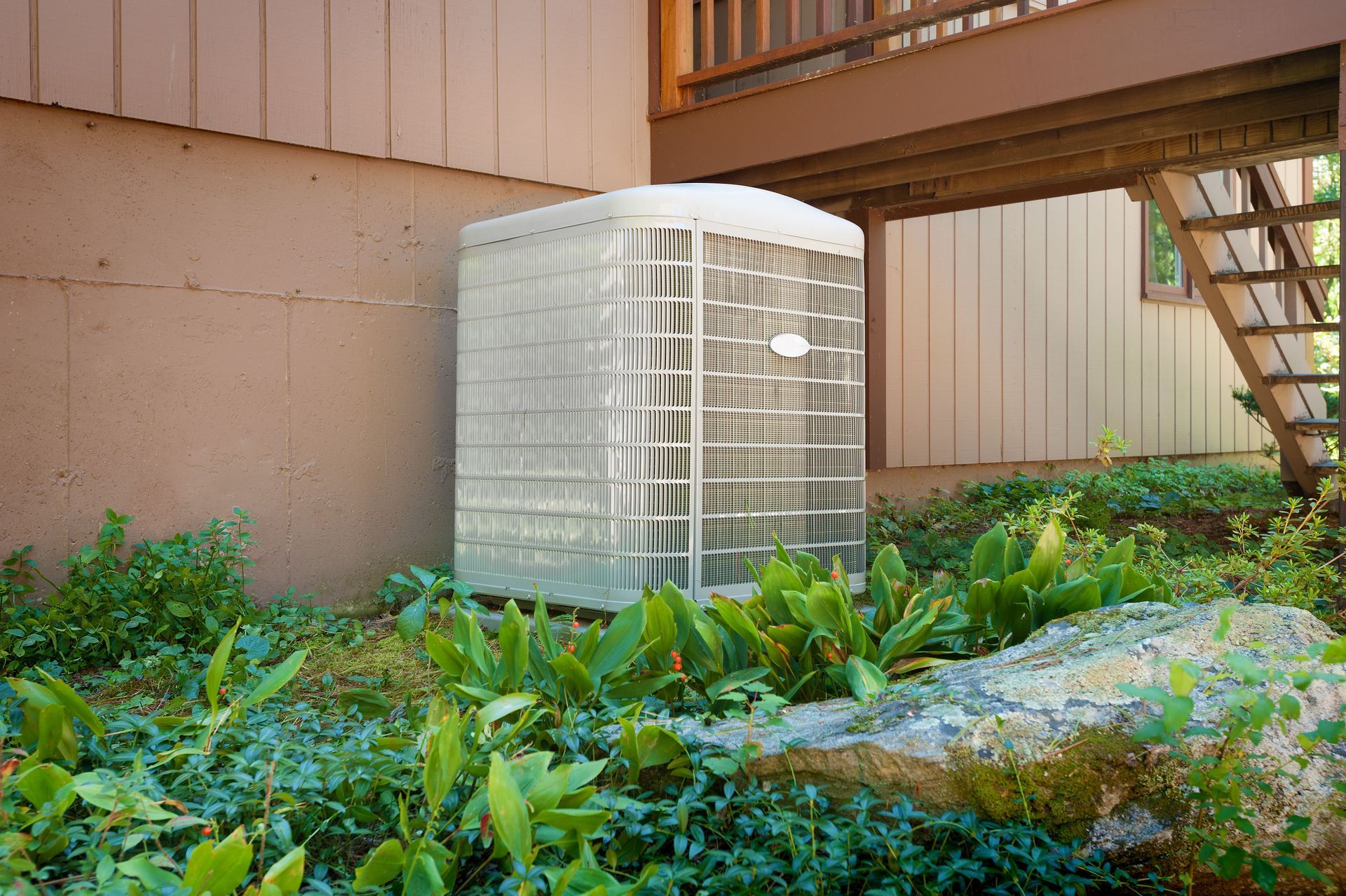
Air conditioning systems are complex networks of different components including compressors, condensers, and evaporators, each serving a unique purpose. A compressor, regarded as the heart of the system, compresses refrigerant and circulates it through to cool areas. Condensers release the heat absorbed by the refrigerant, expelling it outside the home. Evaporators, on the other hand, absorb heat from indoor air, which is a crucial step in the cooling process. Understanding these components is fundamental for diagnostics and repair, ensuring systems function smoothly.
System Configurations
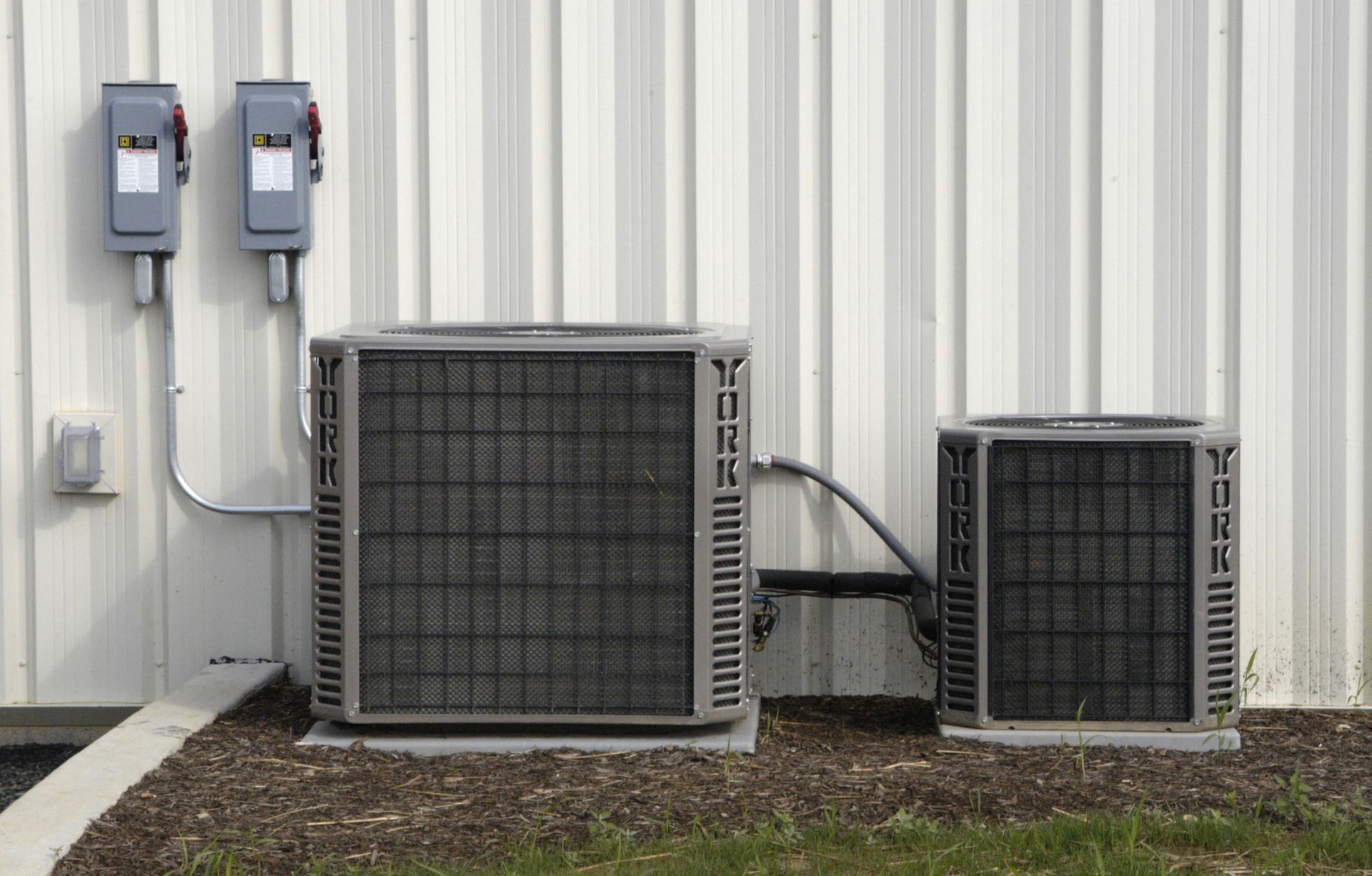
HVAC systems come in various configurations suited for different environments and needs. Split systems, ductless systems, and hybrid systems offer flexibility in installation and efficiency. Split systems, commonly used in residential settings, combine an indoor and outdoor unit which facilitates effective climate control. Ductless systems are ideal for homes without ductwork, offering a discreet installation with minimal disruption. Understanding these configurations allows local AC contractors to recommend suitable systems for specific needs, ensuring optimal performance.
Energy Efficiency Standards
Energy efficiency is a significant consideration in HVAC systems, driven by regulations and consumer demand for cost-effective solutions. Standards such as the Seasonal Energy Efficiency Ratio (SEER) dictate minimum efficiency requirements. AC contractors must ensure installations meet these standards to provide energy-saving solutions. This not only helps clients save money but also reduces environmental impact, a growing priority in today's conscious market. Even with the best standards, regular maintenance is essential for maintaining efficiency throughout the system’s lifespan.
Regular Maintenance Importance
Regular maintenance of HVAC systems is paramount to their longevity and efficiency. Neglect can lead to breakdowns and inefficiencies that can cost more in energy consumption and repairs. A well-maintained system can last 15 to 20 years, according to Carrier, with proper care extending the life of high-efficiency air conditioning systems. Maintenance routines include cleaning coils, inspecting ductwork, and ensuring all components are functioning properly. By investing in regular upkeep, homeowners can avoid unexpected outages, preserving both comfort and financial resources.
2. Advanced Troubleshooting Techniques
Electrical Component Testing
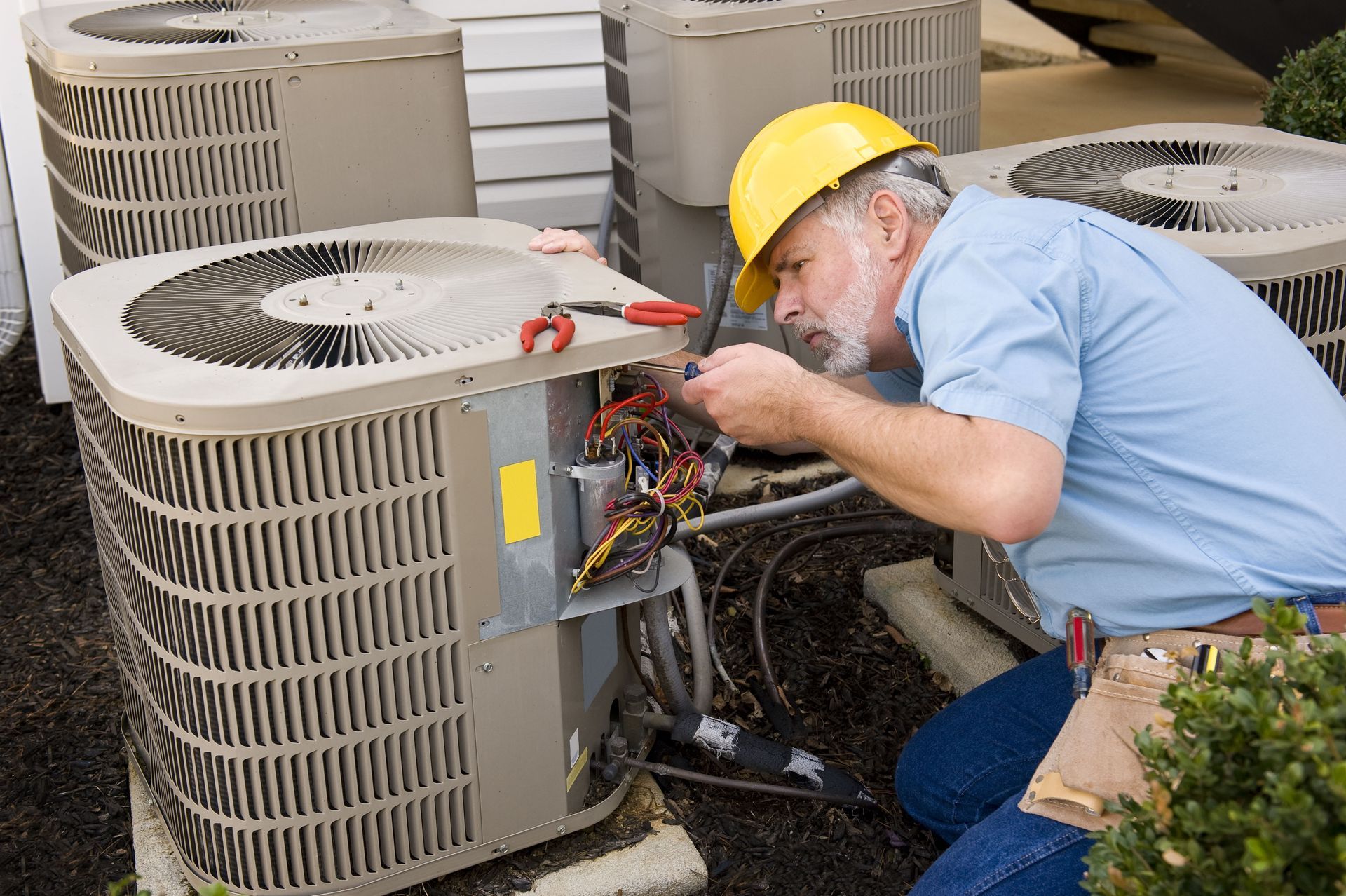
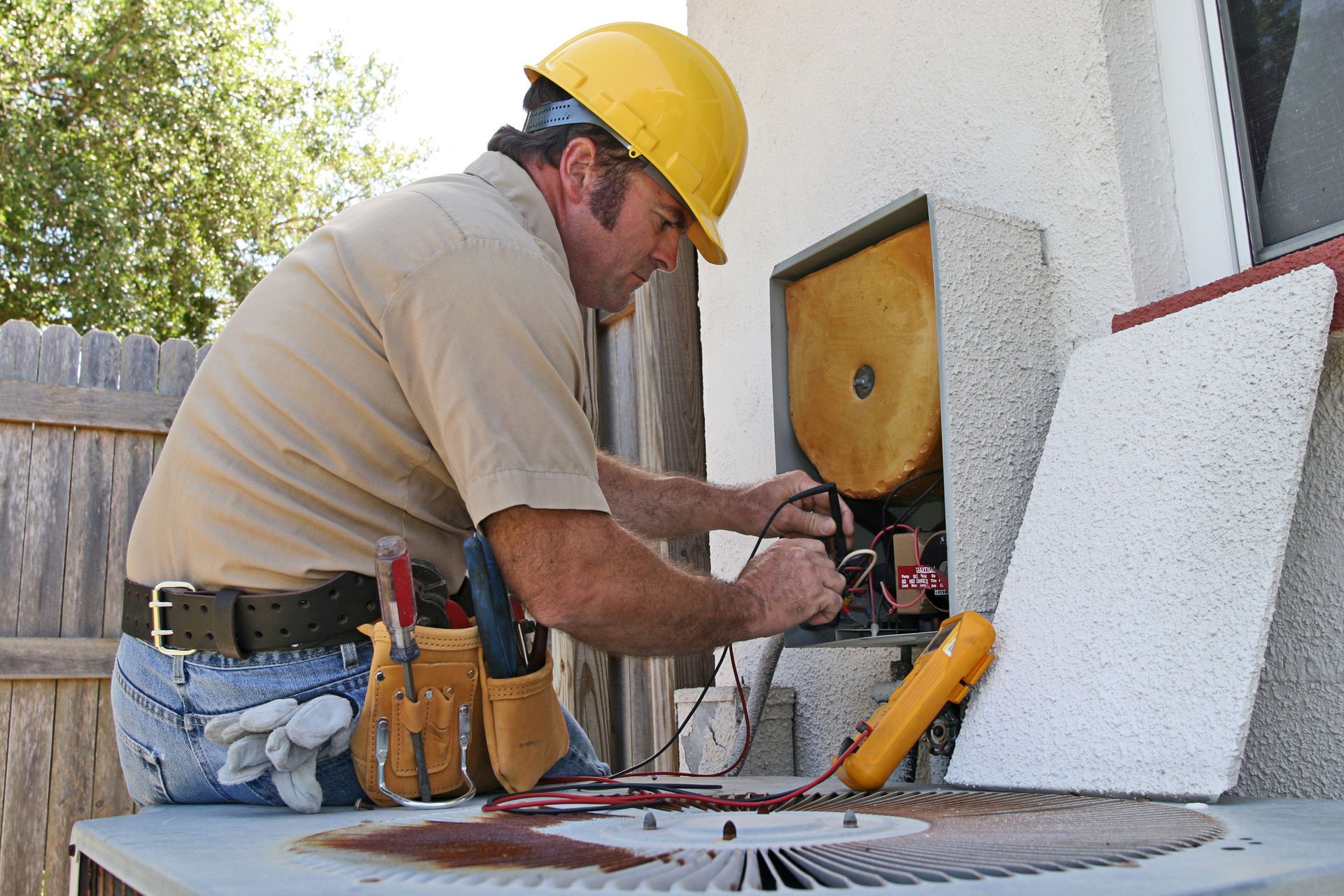
Safety and precision are essential when testing electrical components in HVAC systems. Local contractors are trained to navigate complex wiring systems, using multimeters to assess voltage, resistance, and continuity. This process ensures each component operates within designated specifications, critical for overall system performance. Identifying electrical issues early can prevent significant damages, protecting the entire HVAC unit. By maintaining stringent safety protocols, local AC contractors protect themselves and the homes they work in from electrical hazards.
Refrigerant Line Issues
Refrigerant lines are crucial for the cooling process, yet they can be prone to leaks and blockages. Contractors use specialized tools to detect and repair leaks, ensuring the system maintains adequate pressure. A leak could lead to inefficient cooling or even a complete system failure if overlooked. Blockages, often due to debris or ice, require prompt clearing to restore optimal function. By maintaining conditioning lines regularly, contractors prevent loss of cooling capability and costly refrigerant replacements.
Airflow Problems Diagnosis
Proper airflow is critical for HVAC efficiency, and local AC contractors frequently diagnose and rectify related issues. Blocked vents, improper duct sizing, or clogged filters can restrict airflow, reducing system effectiveness. Professionals utilize tools like anemometers to measure airflow, identifying discrepancies from expected values. Addressing these issues may involve cleaning out ducts or replacing filters, straightforward fixes that yield significant improvements. Effective airflow ensures balanced cooling throughout a space, maximizing comfort and efficiency.
Advanced Thermostat Calibration
Modern thermostats offer advanced features but require precise calibration for optimal performance. Contractors ensure these devices are programmed correctly, considering factors like seasonal changes and occupancy patterns. Fine-tuning calibration can significantly reduce unnecessary energy consumption, enhancing cost savings for homeowners. Additionally, accurate settings ensure that comfort levels are maintained as desired, catering precisely to user preferences. Education on utilizing these features empowers homeowners to make the most out of their technology.
3. Seasonal Preparation and Adjustments
Pre-Summer System Prep
As seasons change, local AC contractors undertake key preparations to ensure systems are ready for increased demand. Pre-summer preparations involve checking and cleaning coils, verifying refrigerant levels, and testing system functionality. Anticipating problems and addressing them proactively prevents breakdowns during peak use. Contractors may also suggest setting adjustments to enhance cooling efficiency and comfort. These preparatory steps are vital to avoid disruptions and ensure comfortable, uninterrupted service during the hottest months.
Winterization Techniques
Similarly, transitioning into winter requires specific measures to safeguard HVAC systems from harsh conditions. Winterization involves draining outdoor pipes, insulating exposed ductwork, and inspecting heating elements. Preventive actions protect components from freezing damage and ensure the system performs reliably in cold conditions. By implementing robust winterization practices, local AC contractors not only extend equipment lifespan but also assure clients of their system's readiness. These tailored adjustments prevent costly emergency repairs and enhance customer confidence.
Seasonal Efficiency Enhancements
Adjusting systems for seasonal efficiency involves more than a simple thermostat tweak. Contractors analyze system performance and implement improvements such as zoning alterations or air-flow adjustments. Small enhancements can lead to notable energy savings, reducing both utility costs and environmental impact. Local AC contractors prioritize sustaining system efficiency, understanding that consistent adjustments align with both economic and ecological goals. By educating homeowners on simple maintenance practices, they ensure that improvements are long-lasting and effective.
4. Installation Best Practices
Precise System Sizing
Appropriate system sizing is critical to ensure operational efficiency and occupant comfort. An undersized system will struggle to meet demand, resulting in constant overworking and eventual breakdowns. Conversely, an oversized system may cycle on and off frequently, wasting energy and stressing components. Contractors employ load calculations to determine the right system size, optimizing performance for specific spaces. Precise sizing balances energy consumption, cost, and occupant satisfaction, reflecting the expertise contractors bring to every installation.
Ductwork Considerations
Ductwork design significantly impacts HVAC system performance, requiring meticulous attention from contractors. Poorly designed ductwork can lead to energy loss, inconsistent airflow, and increased noise. Contractors follow industry standards to design and install duct systems that maximize efficiency and distribution. Proper duct sealing and insulation prevent leaks, maintaining system integrity and efficiency. With an understanding of airflow dynamics, local AC contractors ensure ductwork solutions are optimized for specific building requirements.
Ensuring Proper Ventilation
Proper ventilation is a cornerstone of indoor air quality, making it a key focus for HVAC professionals. Poor ventilation can lead to buildup of pollutants and allergens, adversely affecting health and comfort. Contractors design systems to ensure adequate air exchanges, incorporating ventilation solutions that address specific client needs. The use of energy recovery ventilators and similar technologies helps improve air quality without sacrificing energy efficiency. Contractors educate clients on the benefits of ventilation, ensuring informed decisions for healthier indoor environments.
The expertise of an HVAC contractor encompasses not only technical proficiency but also a commitment to customer education, sustainability, and technological advancement. Through rigorous training and hands-on experience, contractors offer clients reliable, efficient, and innovative solutions catered to individual needs. Emphasizing the care provided by these professionals allows homeowners to preserve their investments while enjoying optimal comfort. As the HVAC industry continues to evolve, the role of local contractors remains essential in navigating the complexities of modern climate control solutions. For more information, contact Northland AC today.