November 5, 2026
Smart thermostats have revolutionized the heating, ventilation, and air conditioning (HVAC) industry over the past decade. With advancements in technology, these devices have become a staple in modern homes for their efficiency and convenience. The HVAC industry has witnessed a significant transformation driven by the features and usability offered by smart thermostats. Let's explore the origin, evolution, impact, and future prospects of smart thermostats within the HVAC sector. As more people seek energy-efficient solutions, smart thermostats are becoming essential components of household climate control systems.
Emergence of Smart Thermostats
Historical Background
The concept of smart thermostats dates back to the early 2000s when the first models began to appear in the market. Companies like Honeywell and Nest pioneered the creation of these devices with the vision of leveraging technology to enhance home comfort. Over time, these early models were refined to become more intuitive and user-friendly. Their development was marked by a series of innovations that steadily improved their functionality and appeal. Before long, air conditioning contractors began recommending smart thermostats over traditional units due to their ability to offer significant energy savings.
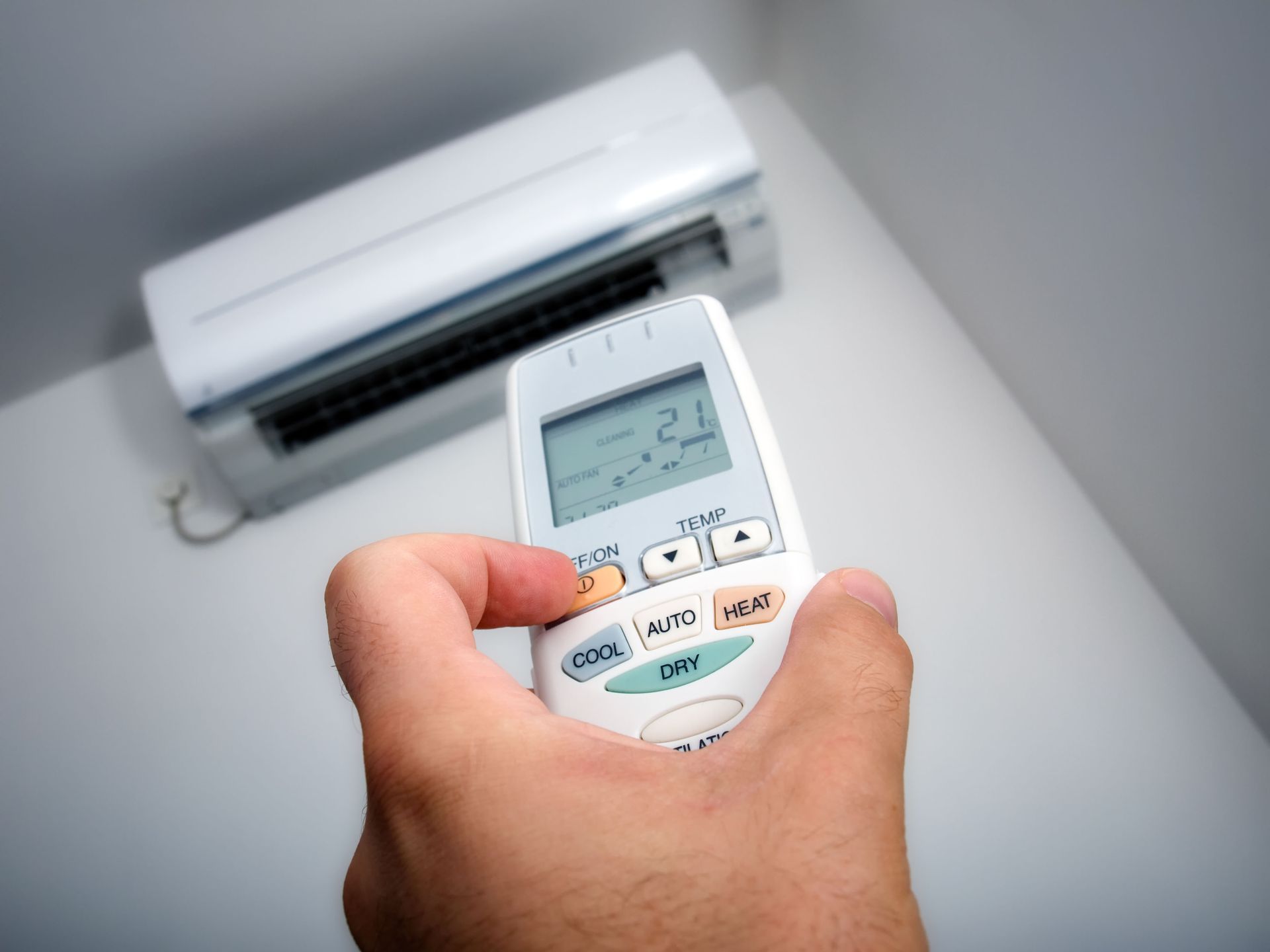
The shift from programmable to smart thermostats was driven by the need for more sophisticated temperature control. Unlike their predecessors, smart thermostats come with innovative features such as learning algorithms and internet connectivity. This technological leap gave homeowners unprecedented control over their HVAC systems, allowing them to manage their home's climate remotely. These advancements have broadened the market, prompting air conditioning contractors to adapt their installation and maintenance services to support these connected devices.
Today, smart thermostats are integral to the design and functionality of modern HVAC systems. According to Webinar Care, in the U.S. alone, roughly 33 million homes have embraced smart thermostats, highlighting their widespread acceptance. Thanks to ongoing technological advancement, smart thermostats have consistently improved their efficiency, operational scalability, and ease of use. Furthermore, the accessibility of smart thermostats has grown, making them more available to various user demographics. Thus, the evolution of smart thermostats reflects a broader trend towards smart home technologies that prioritize efficiency and environmental sustainability.
Technological Advancements
One of the hallmarks of the smart thermostat revolution is its technological enhancement over the years. Significant strides in wireless connectivity and user interface design have contributed to their popularity. Companies have integrated Wi-Fi capabilities, allowing these devices to connect with smartphones, tablets, and other smart home appliances. This connectivity facilitates real-time monitoring and adjustments from virtually anywhere, while also allowing air conditioning contractors to diagnose system performance remotely. Moreover, voice recognition technology has been incorporated into many models, enabling seamless operation through digital assistants like Alexa and Google Assistant.
Beyond connectivity, machine learning and artificial intelligence (AI) have played crucial roles in advancing smart thermostats. These technologies empower thermostats to learn user preferences over time, optimizing energy use without sacrificing comfort. For example, they can analyze patterns in daily temperature settings and predict the best settings for future conditions. The integration of AI has reduced the manual input required from users, simplifying the operation of smart thermostats. Continuous software updates further enhance these capabilities by integrating the latest technological improvements and security measures.
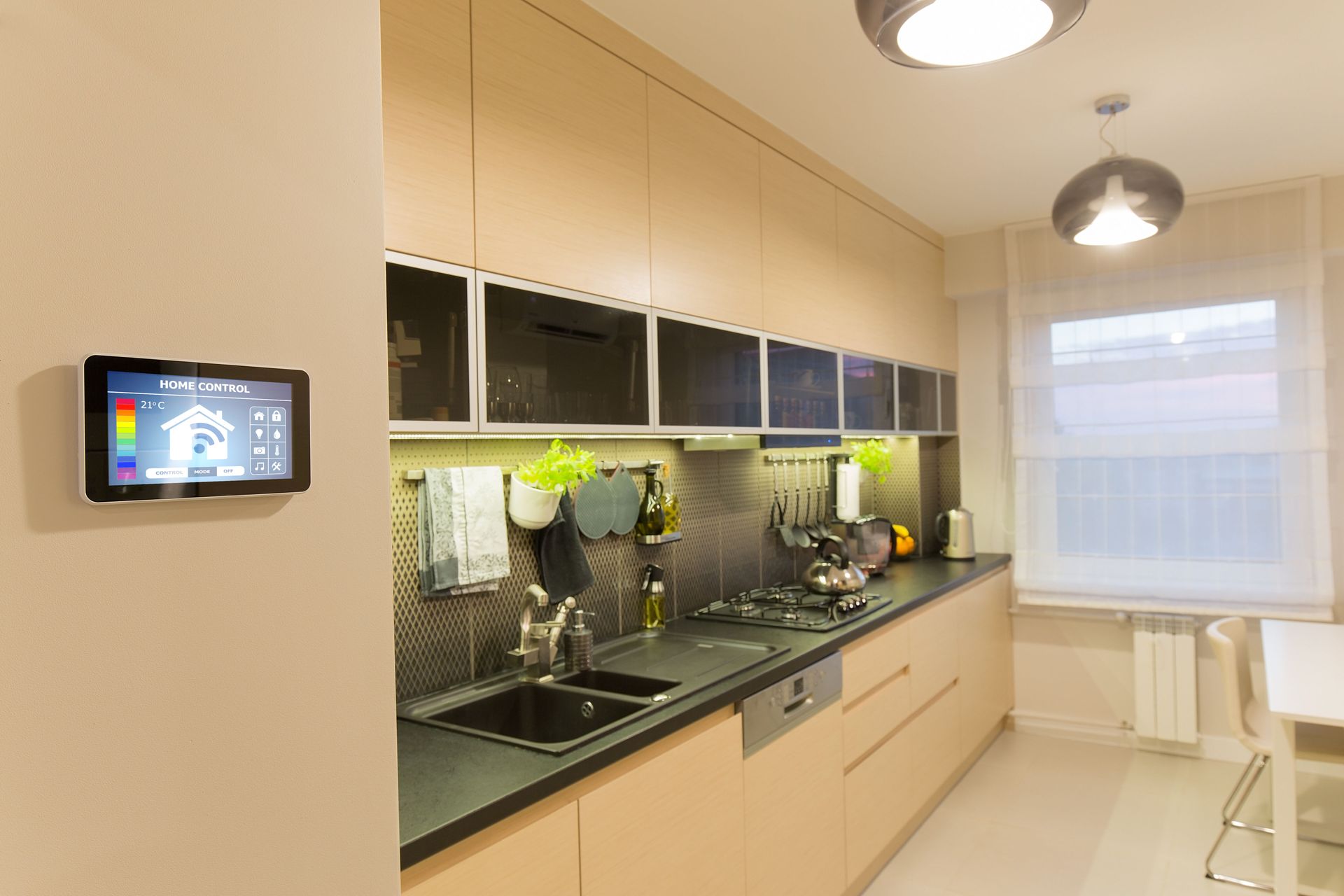
The hardware design of smart thermostats has also seen significant improvements, focusing on aesthetics and usability. Modern smart thermostats often feature touch screens and sleek, minimalist interfaces that blend seamlessly with home decor. Additionally, improvements in sensor technology have led to more accurate readings of ambient temperature and humidity levels. These advances allow for better regulation of HVAC systems, giving air conditioning contractors the precise environmental data needed to optimize equipment performance and longevity. The result is an elegant device that not only fulfills its primary function but also adds aesthetic value to a home.
Impact on Energy Efficiency
Energy Saving Features
The energy-saving capabilities of smart thermostats represent one of their most compelling advantages. Features like scheduling allow homeowners to pre-set temperature preferences according to their routine, an approach frequently highlighted by air conditioning contractors to minimize unnecessary energy consumption in empty homes during the day. Additionally, smart thermostats can detect when a home is empty through GPS and automatically adjust the climate, leading to further savings. These energy-saving features collectively contribute to lower electricity bills and a reduced environmental impact.
Learning algorithms are another transformative feature that enhances energy efficiency. These algorithms analyze user behavior over time, adjusting temperature settings to align with patterns of occupancy and preferred comfort levels. As a result, energy consumption is optimized without having to compromise on comfort or constantly adjust the thermostat manually. This is a significant upgrade from traditional thermostats that lack these adaptive capabilities. By enhancing energy efficiency, smart thermostats align with broader environmental goals and contribute to more sustainable living.
Remote access is also pivotal in achieving efficient energy management. Through mobile apps, users can control their home temperature regardless of location, ensuring they never heat or cool an empty home unnecessarily. In situations where unexpected changes occur, such as fluctuations in weather, users can make quick adjustments from their phones. This capability not only saves energy but also enhances comfort. The overall effect of these energy-saving features is a more efficient climate control system that air conditioning contractors can calibrate to minimize carbon emissions and lower monthly operating expenses.
Impact on Utility Providers
Smart thermostats present new opportunities and challenges for utility providers as they adapt to an evolving energy landscape. One of the most significant impacts is on demand-side management, where smart thermostats play a pivotal role in balancing energy supply and demand. By collaborating with air conditioning contractors to ensure proper device deployment, utility providers can help residential customers optimize usage and reduce strain on the power grid during peak demand hours. This results in a more resilient energy infrastructure capable of adapting to fluctuating demand levels, especially during extreme weather conditions.
Utility providers also benefit from improved data collection and analytics facilitated by smart thermostats. These devices provide valuable insights into energy consumption patterns, enabling providers to develop more effective demand response programs. By leveraging this data, utilities and local air conditioning contractors can promote rebate programs that incentivize consumers to upgrade equipment and shift energy consumption during off-peak hours. This symbiotic relationship enhances grid stability, reduces operational costs, and introduces new business models that align with the broader goals of the energy sector.
Despite these advantages, smart thermostats also pose challenges for utility providers. The increased adoption of these devices can result in changes to energy usage patterns, impacting revenue models based on traditional consumption metrics. As a result, utility companies are adapting by exploring new pricing strategies and service offerings. Furthermore, the integration of smart thermostats into the grid necessitates robust cybersecurity measures to protect sensitive consumer data and maintain system security. Overall, while smart thermostats present challenges, they also drive innovation and adaptation in utility operations.
Smart thermostats have evolved from novelty gadgets into indispensable components of modern climate control. By bridging intuitive consumer convenience with data-driven energy conservation, they deliver tangible utility savings to households while providing utility providers with the flexibility needed to stabilize regional power grids. As artificial intelligence deepens its role in automated home management and IoT ecosystems expand, smart thermostats will continue to lead the heating and cooling sector into a more sustainable, responsive era—proving that optimal indoor comfort and environmental responsibility can comfortably coexist. Contact Northland AC today to find the ideal smart climate solution for your home.