September 20, 2026
Understanding whether to repair or replace your air conditioner can be a challenging decision for homeowners. This article will guide you through the various factors to consider, helping you make an informed choice that suits your needs and finances. Evaluating all aspects, including costs, efficiency, and other personal considerations is key in determining the most beneficial decision. By exploring the life stages of your air conditioner, costs associated with maintenance and replacement, energy efficiency, and more, you can clearly identify the best course of action. Whether your focus is on financial savings or environmental sustainability, this guide will offer comprehensive insights to direct your decision-making process.
1. Assessing the Age and Condition of Your Air Conditioner
1.1 Understanding the Lifespan of Most Units
When considering whether to repair or replace an air conditioner, understanding its typical lifespan is crucial. Generally, you can expect 15 to 20 years of effective cooling from a new high-efficiency air conditioning system, given proper maintenance and care, according to Carrier. This estimate assumes regular upkeep, illustrating how significant maintenance is to longevity. The lifespan of an air conditioner can be influenced by factors such as the quality of the unit, frequency of maintenance, and environmental conditions. Homeowners should regularly evaluate their unit and keep track of its operational years in order to make timely decisions about significant repairs or upgrades.
1.2 Common Problems in Older Air Conditioning Systems
Older air conditioning systems often exhibit a range of common issues that diminish performance. Wear and tear over the years can result in a decline in efficiency, making it harder to achieve the desired indoor climate. Frequent minor repairs on aging units can signal that the system is nearing the end of its lifespan. Diminished cooling, strange noises, or increased energy bills are indicators that an older system is struggling to meet operational demands. Acknowledging these problems early can prevent more costly repairs ahead and inform decisions about potential replacement.
1.3 How to Evaluate Wear and Tear
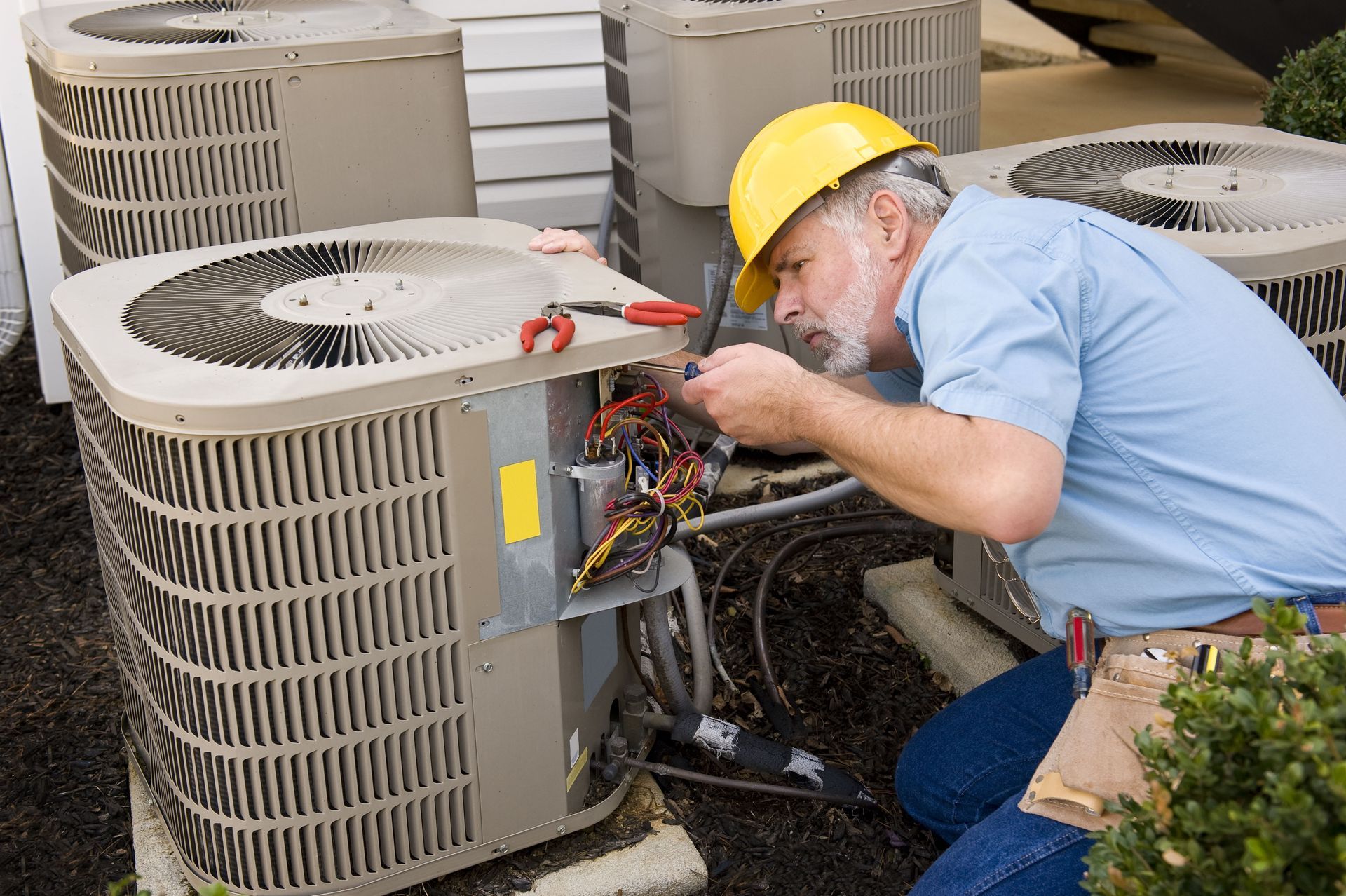
Evaluating wear and tear involves a detailed examination of the components and functionality of your air conditioning unit. Homeowners can start by visually inspecting components such as the condenser, coils, and filters for physical damage or excessive dust accumulation. Listening for unusual noises and assessing the output temperature of air can also be indicators of the system's condition. It is advisable to have a professional HVAC technician assess more complex aspects such as refrigerant levels and electrical connections. Regular evaluations can help catch wear issues early, aiding in efficient decision-making about repairs or replacements.
1.4 Signs That Indicate Replacement Rather Than Repair
There are specific signs that strongly indicate replacing your air conditioner is more practical than repairing it. These include the unit needing frequent repairs, particularly if the total cost of those repairs approaches the cost of a new unit. Rising energy bills over time can also denote declining efficiency, making replacement a financially wiser long-term decision. Additionally, if the system struggles to maintain comfort levels or uses outdated technology, a newer model could provide much-needed upgrades in performance. Evaluating the necessity of a replacement based on these signs can lead to more consistent and cost-effective cooling.
1.5 Tools and Techniques for a Thorough Inspection
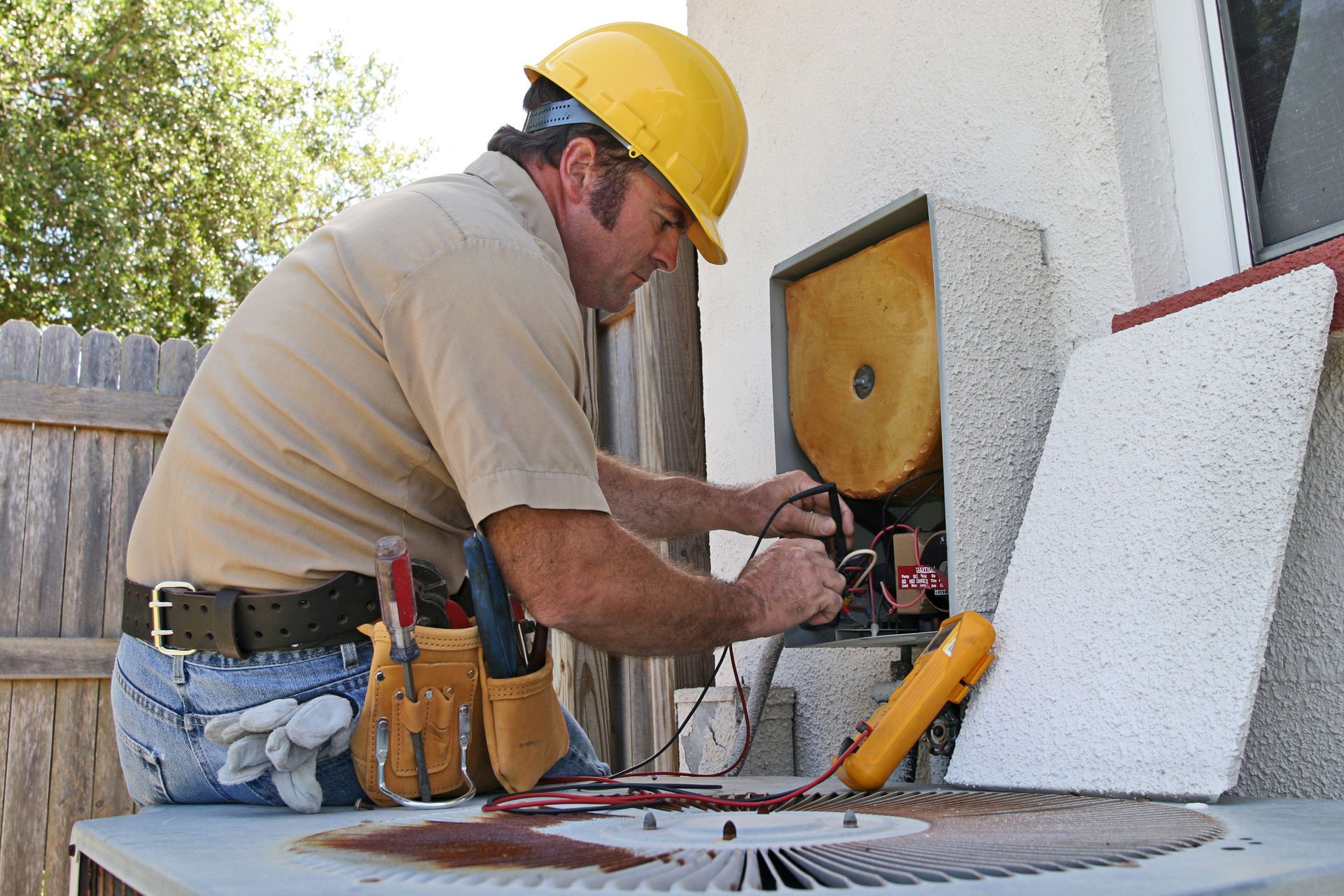
Conducting a thorough inspection involves utilizing the right tools and techniques to ensure accurate assessment. Tools like thermometers and pressure gauges can measure the system's performance and detect any irregularities. Inspectors often use checklists to methodically review each part of the air conditioning system, ensuring no aspect is overlooked. Techniques such as infrared scanning can identify airflow problems that aren't visible to the naked eye. Engaging with technology and expert techniques enhances the reliability and thoroughness of system inspections.
2. Cost Comparisons: Repairing vs. Replacing
2.1 Estimating Repair Costs
Estimating repair costs involves understanding the scope and severity of the issues present in the air conditioner. Minor issues, like a clogged filter or thermostat replacement, are relatively low in cost compared to more substantial repairs like compressor failure. Accurate cost estimation can be achieved by soliciting quotes from multiple HVAC professionals, who offer valuable insights into repair needs. By considering both parts and labor, homeowners can gain a full picture of repair expenses. Continuous small repairs can quickly add up, however, making it essential to weigh these costs against the benefits of investing in a new system.
2.2 Long-term Cost Implications of Maintaining an Older Unit
Maintaining an older unit may involve frequent repairs and increased energy consumption, contributing to long-term costs. For instance, operating an inefficient system not only raises energy bills but also results in higher greenhouse gas emissions. Frequent breakdowns and service requirements incur expenses over time, demanding continuous investment that could otherwise contribute to a new system. Maintenance of older systems requires a strong routine schedule, often needing specialized parts that are harder to find and may cost more. When deciding whether to repair or replace an HVAC system, long-term financial impact is a core factor to consider.
2.3 Comparing Initial Expenses of New Units vs. Extensive Repairs
Weighing the initial expenses of new units against extensive repairs involves analyzing both immediate and future financial considerations. While purchasing a new air conditioning unit requires a significant upfront investment, it often includes warranties and improved efficiency that offset future costs. Conversely, extensive repairs on an existing unit can accumulate, sometimes equating to half or more of a new unit's cost without guaranteeing long-term reliability. The decision, therefore, balances the immediate financial burden against projected savings and reliability benefits. Evaluating financing options, potential rebates, and the long-term cost of ownership can better inform this decision.
3. Energy Efficiency and Environmental Impact
3.1 Evaluating the Energy Efficiency of Your Current Unit
Understanding the energy efficiency of your current air conditioning unit is paramount when making a replace or repair decision. Regular analysis of energy bills and consumption patterns can help to track fluctuations and inefficiencies. Older models generally have lower Seasonal Energy Efficiency Ratio (SEER) ratings, indicating less efficiency compared to newer models. Evaluating the cooling output per unit of energy consumed can identify how well a unit performs relative to others on the market. Engaging with a professional HVAC assessment can provide concrete data to support decisions aligned with energy efficiency goals.
3.2 Benefits of Upgrading to a High-efficiency Model
Replacing an outdated air conditioner with a high-efficiency model yields numerous benefits beyond basic energy savings. Enhanced efficiency reduces wear on internal components, thus extending the lifespan and reliability of a new unit. In addition to an environmentally friendly operation, modern systems feature advanced technology that allows for better indoor climate control and comfort. The initial investment pays off through lower operating costs and improved home value due to the desirable energy-efficient appliances.
Homeowners opting for an upgrade contribute positively to the environment while benefiting from enhanced performance and savings.
With environmental considerations at the forefront, opting for a high-efficiency air conditioning unit supports sustainability initiatives. Replacing a less-efficient unit reduces the carbon footprint of a home, as newer models emit fewer greenhouse gases. Sustainability is further supported by units made from eco-friendly materials, enhancing the appeal of a replacement option. Original refrigerants such as R-22 have been phased out due to ozone-depleting properties, whereas newer systems use eco-friendly alternatives. Decision-makers must contemplate the environmental impacts of their HVAC choices, with replacements presenting sustainable options for a greener future. Be sure to reach out to Northland AC today to learn more about our professional AC repairs!